Wondering which hobbies deserve your free time? Choose something you genuinely enjoy, start small and keep it going: research links hobbies to better mood, memory and health.
| Item | Value |
|---|---|
| Ways leisure activities might affect health | more than 600 ways |
| Older adults studied for hobbies and well-being | more than 90,000 participants across 16 countries |
| Weekly art time linked to the most well-being benefit | two or more hours weekly |
| Time in nature linked to significant benefits | at least two hours a week |
| Weekly creative adults who use it to relieve stress and anxiety | 46% of 2,202 adults |
These figures come from UCLA Health and Healthline, and research findings can change, so check the source before you rely on them.
What counts as a hobby
A hobby is any activity you frequently do for pleasure during your leisure time, as WebMD defines it. That covers creative, athletic and intellectual pastimes, from dancing and gardening to quiet walks.
You do not have to pick from a standard list. UCLA Health notes that any pleasurable leisure activity can be a hobby and that the possibilities are endless, and Healthline adds that thrift-store trips, decorating a room or tending plants all qualify.
It helps to think about what a pastime gives back to you. Most hobbies lean toward one or more of these:
- Creative: drawing, writing, knitting, music or baking.
- Active: walking, swimming, dancing or a team sport.
- Mind-stretching: puzzles, chess, languages or learning an instrument.
- Calming: gardening, reading, photography or time by the water.
- Social: clubs, choirs, volunteering or group classes.
Many of the best hobbies mix two of these, such as a walking photography habit or a cooking night with friends.

What the research says about hobbies and health
Researchers have identified more than 600 ways that leisure activities might affect human health, according to UCLA Health. The same source cautions that responses vary by person, by hobby and by whether you do the activity alone or in a group.
Mood and happiness
Older adults who have hobbies report higher levels of health, happiness and life satisfaction than those who do not. UCLA Health says that finding spans more than 90,000 participants across 16 countries.
Creative pastimes stand out for stress. In a 2023 poll by the American Psychiatric Association, Healthline reports, 46% of the 2,202 adults who did something creative every week said they did it to ease stress and anxiety.
Memory and dementia risk
A Japanese study of 50,000 adults found that dementia risk decreases as the number of hobbies increases, according to UCLA Health. The researchers linked a lower risk to these pastimes in particular:
- Fishing
- Gardening
- Golf
- Handicrafts
- Travel
It is not only a matter for the very old or the very healthy. A study in the Journal of Cognitive Enhancement suggests that people with mild cognitive impairment who take up puzzle-style hobbies show better memory, attention and processing speed, as UCLA Health summarizes.
Stress and the body
Making art may lower cortisol, a hormone linked to stress. National Geographic describes a study in which almost three-quarters of participants felt more confident after making art for as little as 45 minutes.
If your pastime is physical, you also pick up the usual benefits of movement. Healthline lists help with blood pressure, brain health and sleep, while National Geographic says playing or listening to music can release endorphins and dopamine.
What the evidence does not prove
Most of this research shows an association, not a guarantee. UCLA Health says more research is needed to understand the full power of hobbies, though most experts agree that most hobbies can be good for your health.
Treat hobbies as a pleasant, low-risk way to support your wellbeing, not as a treatment. If you want help making lifestyle changes, UCLA Health suggests talking to your primary care physician.
How to choose a hobby that fits you
The best starting point is curiosity rather than talent. Healthline suggests asking what interests you, what you wish you had more time to do, and whether there is something you have always wanted to learn.
Turn those answers into a short trial with these steps:
- Write down a handful of activities that made you curious, even if they seem impractical.
- Cross off anything that needs space, money or a schedule you cannot offer right now.
- Try the cheapest version of your top choice: borrow equipment, watch a beginner class or join a taster session.
- Give it a fair run of several sessions before deciding, because the first attempt is rarely the most enjoyable.
- Keep it if you look forward to it, and swap it for the next idea if you do not.
If money is the main worry, this list of cheap hobbies for adults shows how little a good pastime can cost.
Hobbies also make a natural growth project. If you want to build confidence or new skills, the personal growth section is a good place to keep exploring.
Hobby ideas to explore next
Once you know what you want from your free time, pick one direction and go deeper. Each of these beginner routes starts with a single small step:
- If you would rather stay in, see these hobbies to try at home, most of which need little more than a table and some curiosity.
- If you want to be outdoors, learn how to start gardening for beginners, a pastime the Japanese study above tied to lower dementia risk.
- If music appeals, read how to learn guitar as an adult for a realistic first month.
- If you notice small details, see how to start photography, a hobby that pairs naturally with a walk.
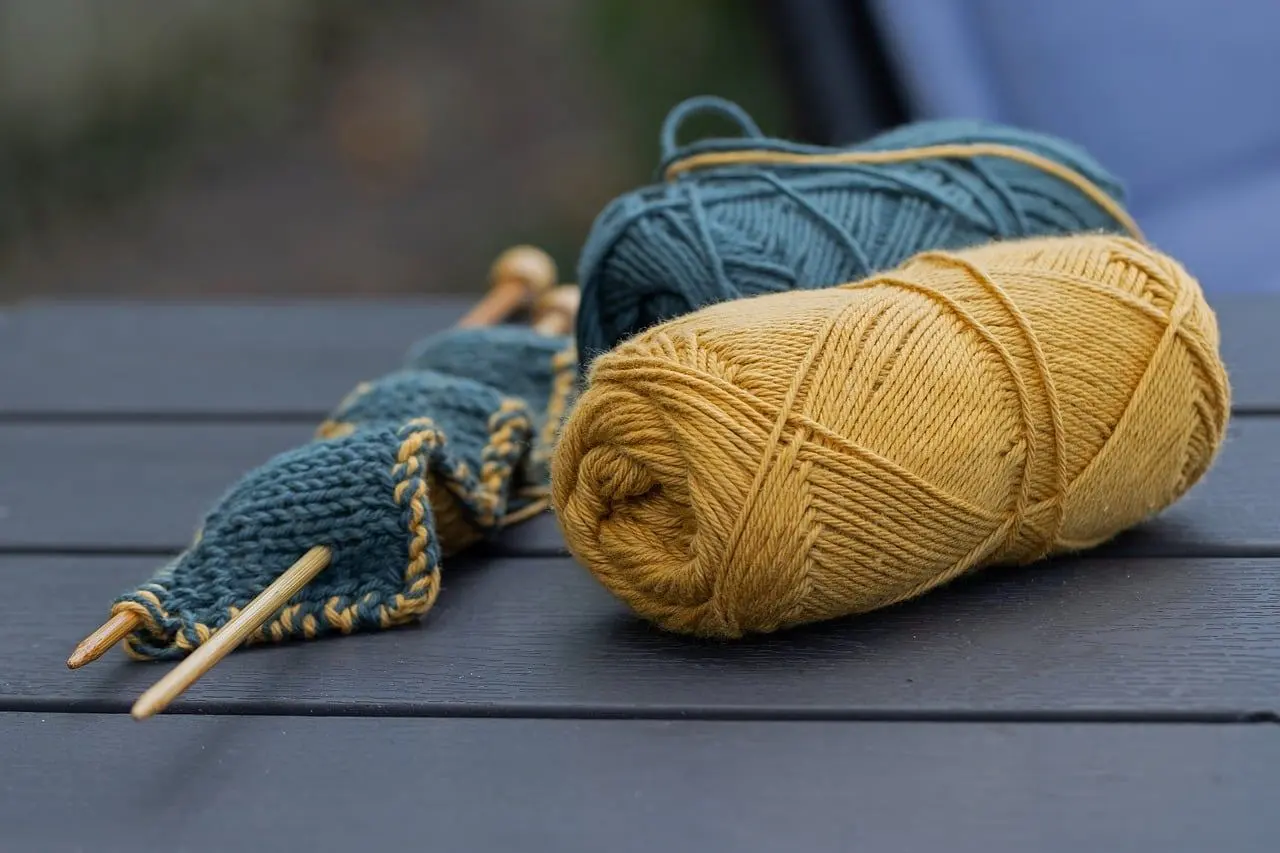
- If you want something calm for your hands, follow how to start knitting and settle into a slow, repeatable rhythm.
- If you like the kitchen, learn how to bake bread at home, since National Geographic reports that in one review, cooking at home led people to eat more fiber and protein.
Some people hope a pastime might earn a little extra. The guide to hobbies that make money covers that route, but a hobby you would still enjoy unpaid is usually the safer foundation.
Your living space shapes what is realistic, too. For help with room, light and storage, browse home living and find a corner that invites you to start.
How to start small and keep it going
Lack of time is the most common reason people drop a pastime. WebMD recommends a long-term approach: rather than aiming for daily practice, find gaps in your schedule that you can fill.
The same source says that even if you cannot do it every day, you can set aside a few hours every week or every month. A modest rhythm you repeat beats an ambitious plan you abandon.
These habits make a new hobby stick:
- Set a tiny first goal, such as one finished sketch, one loaf or one chord change.
- Put the session in your calendar like any other appointment.
- Leave your materials where you can see them, so starting takes seconds.
- Keep a simple log of what you made or learned, to see progress on slow days.
- Accept messy early results, because enjoying the process is the point.
If a hobby begins to feel like a chore, change something rather than quit entirely. Shorten the sessions, change the project or try a neighbouring skill.
Get more from your hobbies: people, balance and nature
Three small choices can raise the benefit of any pastime, based on the advice from UCLA Health:
- Join a group. Meeting people who share the interest adds laughter and socialization, which the source links to longer life, less inflammation and better sleep.
- Balance your hobbies. More hobbies means more benefit, so pair a mentally stimulating one with something physical.
- Go outside. Spending at least two hours a week in nature can have significant benefits for your mental and physical health.
Short outdoor stints count as well. WebMD says you can gain improved mood and better focus by spending just 10 minutes outdoors.
Solo time still matters, because quiet practice builds skill and calm. The aim is a mix of alone time and shared time, not a rule that every hobby must be social.
Frequently asked questions
Do I have to be good at a hobby to benefit from it?
Show answer
No. A research roundup described by National Geographic found that the specific pastime mattered less than the engagement. Showing up and enjoying yourself counts for more than skill.
How many hobbies should I have?
Show answer
There is no fixed number, but UCLA Health says the more hobbies you have, the greater the health benefit can be. Aim for variety: something creative, something active and something that gets you around other people.
What if I only have scraps of free time?
Show answer
Use them. WebMD suggests filling work breaks with things like reading, tending a garden or listening to a favorite podcast.
Is it too late to start a hobby later in life?
Show answer
No. UCLA Health says that even with mild cognitive impairment it is not too late to pick one up and benefit. If you have health concerns, check with your doctor before starting anything strenuous.