
Wondering whether your weekend craft could pay for itself? The hobbies that make money are usually ones people already want to buy, like baked goods, jewelry or photos. Start small, track every dollar, and know the tax rules first.
This guide sits in our hobbies section, where you can browse more pastimes worth trying.
| Item | Value |
|---|---|
| Federal self-employment tax rate | 15.3% |
| Activity income below which no self-employment tax is due (2025) | Less than $400 |
| 2025 standard deduction, single filer | $15,750 |
| Factors the IRS tells you to weigh for hobby versus business | nine factors |
| Hobby expenses you can generally deduct | Up to the amount of hobby income |
The figures come from Kiplinger’s hobby income guide, which uses 2025 tax-year numbers, and an IRS Tax Tip from November 2017. They can change, so check the source before you rely on them.
Which hobbies can earn money?
Nearly any pastime people will pay for can bring in income. IRS tax tips name a wide spread, from catering and cupcake baking to homemade jewelry and glass blowing, in its May 2017 tip.
Here are the kinds of hobbies the sources mention:
- Baking and catering: food that friends and neighbors already ask you to make.
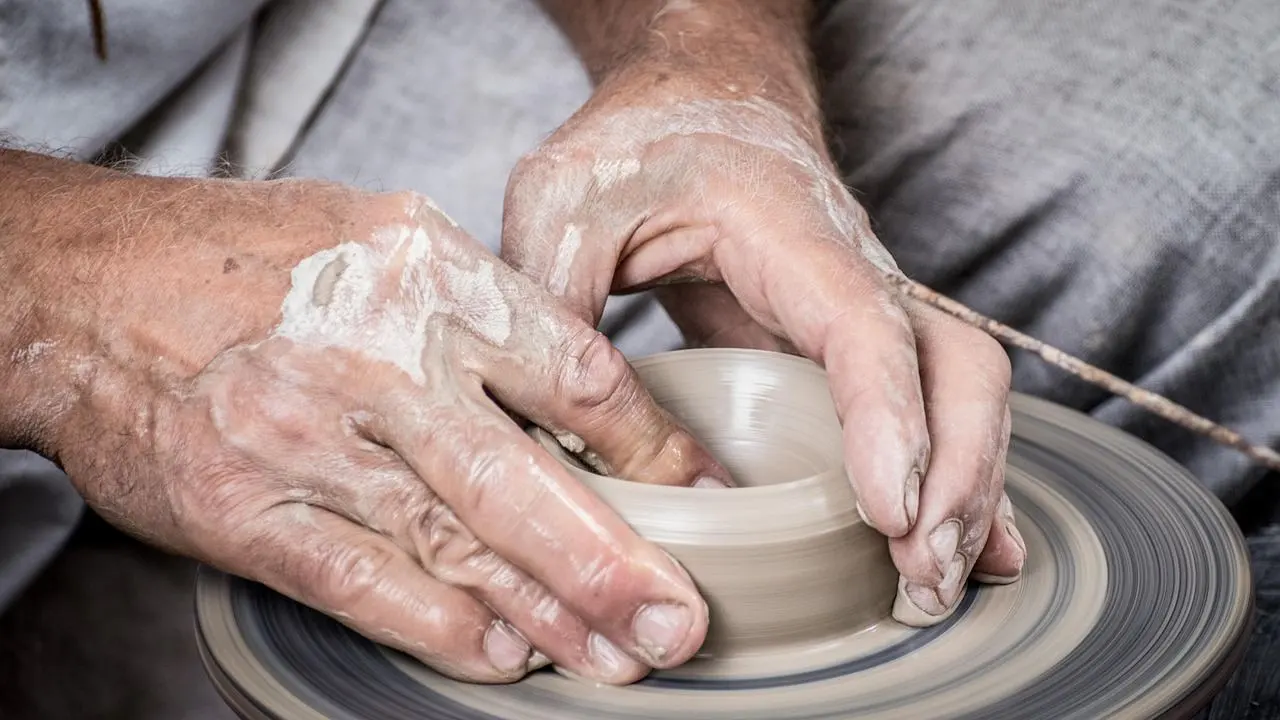
- Making things by hand: scrapbooking, glass blowing and other crafts, per the IRS.
- Woodworking, quilting and crocheting: Kiplinger says woodworking is a good example if people love your pieces enough to buy them.
- Photography and content creation: the same Kiplinger guide lists photography and videos or comics.
- Jewelry making: listed by both Kiplinger and the IRS.
- Collecting and breeding: an IRS tip from August 2016 includes stamp or coin collecting and horse breeding.
The best fit is usually something you already do well and would keep doing even in a slow month.
How to start small without losing the fun
You do not need a shop, a logo or a business plan on day one. A modest test tells you whether anyone wants what you make.
- Pick a single product or service rather than your whole skill set.
- Offer it to a small circle first, such as coworkers, neighbors or a local group.
- Note what each sale really cost you in materials and time.
- Ask buyers what they liked, then adjust the product or the price.
- Decide after a few sales whether you want to grow it or keep it casual.
If food is your direction, our guide on how to bake bread at home covers the basics before you sell a single loaf. Still choosing a craft? Try our list of hobbies to try at home to see what you enjoy first.
How hobby income is taxed
Money from a pastime counts as income. The IRS says a taxpayer must report income on their return even if it is made from a hobby, as stated in its November 2017 tax tip. That page carries an IRS notice that it is an archival document and may not reflect current law, so confirm the latest rules on IRS.gov.
Self-employment tax is where the label matters. Kiplinger reports that the federal self-employment tax is 15.3%, and that true hobby income can avoid it. For the 2025 tax year, an activity that brings in less than $400 does not trigger that tax even if it is not a hobby.
Filing duties depend on your whole income. Kiplinger notes that if everything you earn is under the 2025 standard deduction of $15,750 for single filers, you might not be required to file a federal return. A tax professional can tell you where you stand.
Deductions for hobbies are tighter than for businesses, according to the same IRS tip:
- You can generally deduct hobby expenses only up to the amount of your hobby income.
- You must itemize deductions to claim those expenses at all.
- If expenses exceed income, the resulting loss cannot be deducted from other income.
Hobby or business: what does the IRS look at?
An IRS fact sheet from October 2022 says most people take up hobbies for personal enjoyment, not profit, but the line is not always clear. The IRS tells you to weigh nine factors and look at all the facts and circumstances, per its tax tip.
Questions from that fact sheet include:
- Do you keep complete and accurate books and records?
- Do you advertise or promote the activity?
- Do you change your methods to improve profitability?
- Is the activity profitable in some years?
- Does it have elements of personal pleasure or recreation?
Kiplinger adds that if you intend to profit, the IRS treats the income as business income. Hiring help or paying for marketing also makes your earnings unlikely to count as hobby income. Putting income in the wrong place on your return can cause processing delays or even a penalty, so decide honestly which side you are on.
Habits that keep a side income healthy
Good records protect both your wallet and your enjoyment. You do not need fancy software, just consistency.
- Write down every sale, with date, buyer and amount.
- Keep receipts for supplies, tools and shipping.
- Track roughly how many hours each item takes you.
- Price so that materials are covered before you count your time.
- Keep business money in its own account so it never mixes with household spending.
Those habits also give you evidence if you ever need to explain your activity to a tax preparer. If the hobby stops being fun, that is a useful signal too, and you can scale back to selling only on request.
Frequently asked questions
Do I have to tell the IRS about money from a hobby?
Show answer
Yes. Hobby earnings belong on your tax return, according to the IRS tip dated November 2017, even when the activity is small and casual.
Can I write off what I spend on supplies?
Show answer
Only in limited ways. Per the same IRS tip, ordinary and necessary hobby costs can be deducted up to the income the hobby produced, and only if you itemize.
Will I owe self-employment tax on a craft side income?
Show answer
It depends on whether the IRS sees your activity as a hobby or a business. Kiplinger says taxpayers with true hobby income can avoid that tax, while business income generally cannot.
What if I lose money on my hobby?
Show answer
The IRS fact sheet from October 2022 says that if you are not trying to make a profit, you cannot use the loss to offset other income.
When does a hobby start looking like a business?
Show answer
Signs include advertising, careful bookkeeping and an effort to turn a profit. Weigh them against how much of the activity is simply for pleasure, and ask a tax professional if you are unsure.