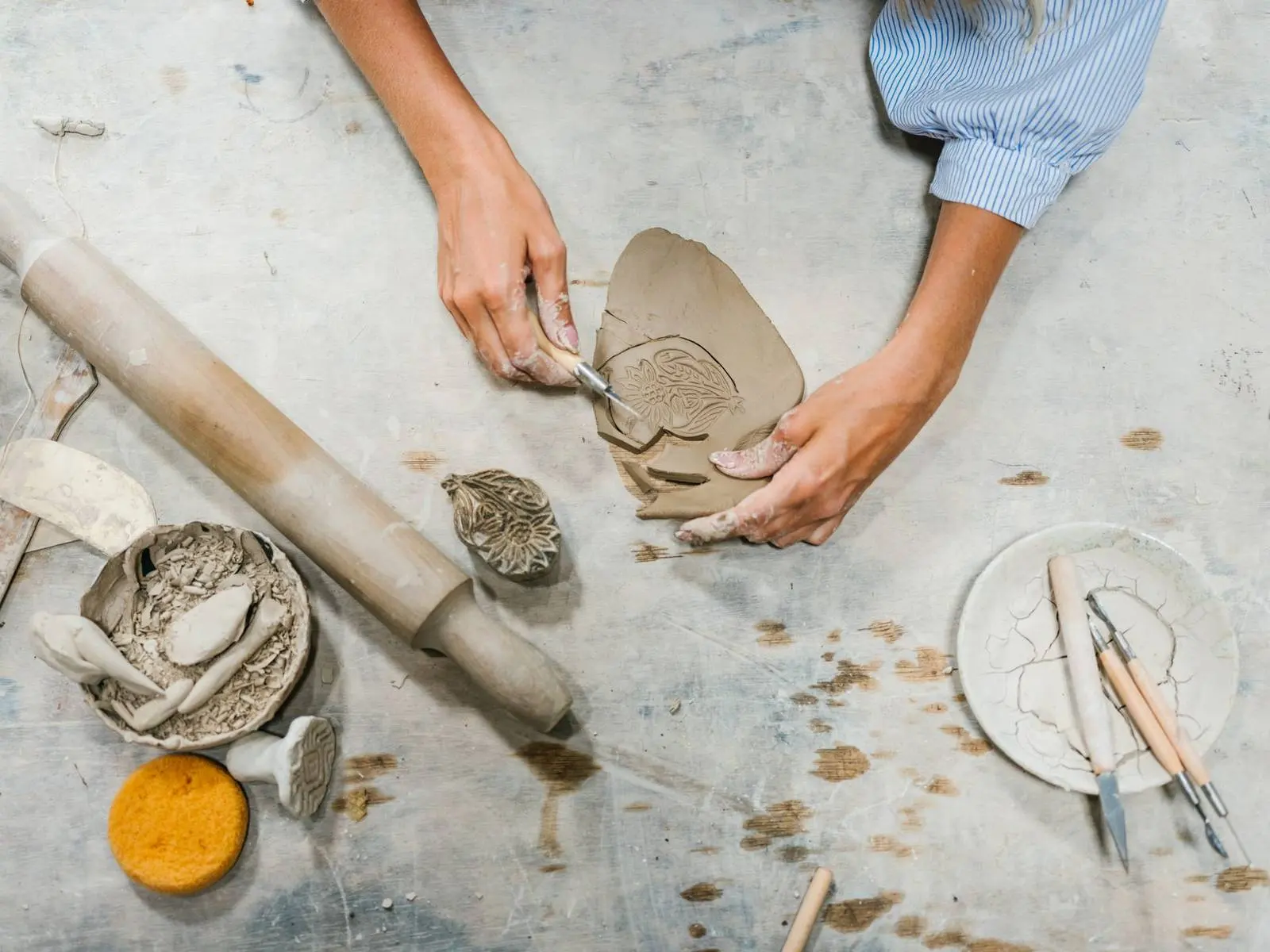
Feeling restless and ready for something new? The best hobbies to try at home are the ones you will actually enjoy: creative, active, or mentally busy. Pick one that fits your space, and start small this week.
If you want ideas beyond your front door, browse our wider set of hobbies guides.
| Item | Value |
|---|---|
| Older adults tracked in hobby studies | More than 93,000 older people |
| Adults in a Japanese leisure-activity study | 50,000 adults age 65 and older |
| Share of “very good” or “excellent” mental health group doing creative activities more often (2023 poll) | 71% |
| Weekly art time linked to the most well-being benefit | Two or more hours weekly |
| Weekly time in nature with significant benefits | At least two hours a week |
| Art-making time after which most participants felt more confident | 45 minutes |
These figures come from National Geographic and UCLA Health. Studies get updated and re-read over time, so check the sources before you rely on them.
What counts as a hobby you can start at home?
Healthline puts it plainly: a hobby is a leisure activity, and it can be any pastime that brings you pleasure, from thrift shopping to decorating a room or tending to plants (Healthline). You do not need special talent or a studio.
UCLA Health makes the same point: any activity you do for pleasure in your free time can be a hobby, and the possibilities are endless (UCLA Health).
If you are stuck, Healthline suggests asking yourself a few questions before you choose:
- What interests you?
- What do you wish you had more time to do?
- Is there something you have always wanted to learn how to do?
Creative hobbies that fit on a kitchen table
Coloring is not only for kids. According to National Geographic, coloring paired with conventional therapy can decrease adults’ anxiety and depression and increase positive emotions.
The effect can show up fast. In one study National Geographic describes, almost three-quarters of participants felt more confident after making art for as little as 45 minutes.
A 2023 poll by the American Psychiatric Association also points to creativity: UCLA Health reports that 71% of people with “very good” or “excellent” mental health did creative activities more often than those with lower ratings. That shows a link, not proof that creativity causes better mental health.
The APA’s suggestions, as relayed by Healthline, are easy to try with what is already in your home:
- Playing an instrument
- Crocheting
- Dancing with friends
- Solving crossword puzzles
If you pick art, UCLA Health says research suggests two or more hours weekly yields the most well-being benefit. It also notes that making art helps reduce cortisol, the stress hormone.
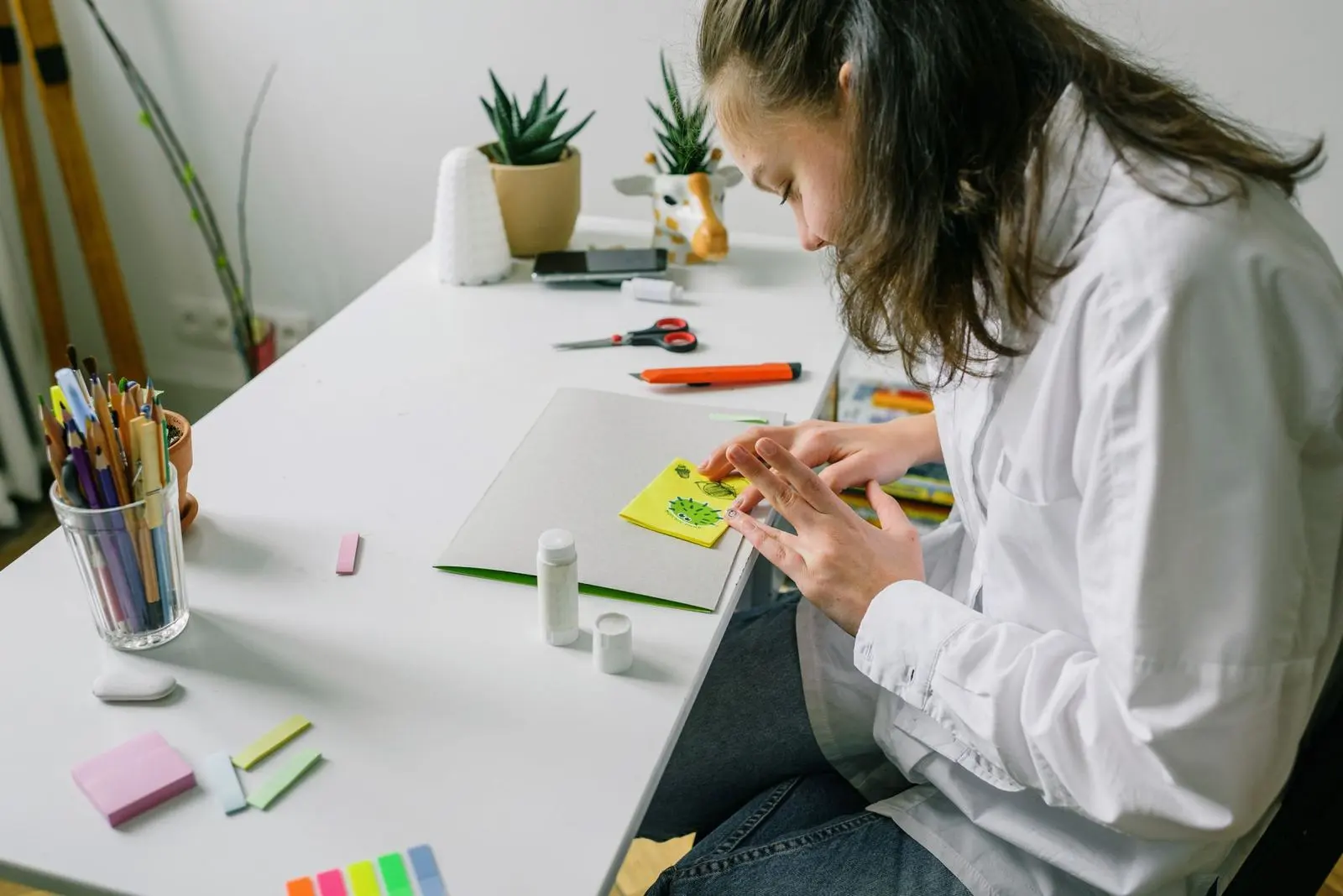
Hobbies that keep your hands and mind busy
If your evenings feel flat, a hobby that asks something of your brain may help. National Geographic reports that cooking (following recipes, measuring ingredients, multitasking) reduces stress and stimulates the brain’s frontal and temporal lobes, which are linked to memory and executive function.
A Japanese study of 50,000 adults age 65 and older found that dementia risk decreased as the number of hobbies increased (UCLA Health). Researchers linked lower risk with fishing, gardening, golf, handicrafts and travel. Gardening and handicrafts are the two on that list that suit a home.
A study in the Journal of Cognitive Enhancement, also covered by UCLA Health, suggests older adults with mild cognitive impairment who do word games and puzzles have better memory, attention and processing speed than those who do not. Some ideas to start with:
- Cooking a new recipe each week
- Growing herbs or houseplants
- Word games and puzzles
- Handicrafts such as knitting or quilting
How can you add movement without leaving the house?
Healthline notes that a physical hobby you do regularly has all the benefits of any physical activity, including helping prevent high blood pressure, diabetes and obesity, improving brain health, and enhancing sleep (Healthline). Dancing is one option from the APA’s list above.
UCLA Health advises balance: if you already have a mentally stimulating hobby, add something physical (UCLA Health). It also says spending at least two hours a week in nature can have significant benefits, so a hobby you can take to the garden or a park counts twice.
Making a new hobby stick
Lack of time is the usual excuse. WebMD suggests a long-term view: even if you cannot do it daily, set aside a few hours every week or every month (WebMD).
Money worries often come next, and our guide to cheap hobbies for adults covers low-cost starting points.
If a hobby you love later turns into a side income, our guide to hobbies that make money looks at that route, though it is fine to keep a hobby purely for fun.
Finally, consider company. UCLA Health says finding others who share your hobby adds laughter and socialization, which include longer life, less inflammation and better sleep (UCLA Health).
Frequently asked questions
How many hobbies should you have?
Show answer
UCLA Health says the benefit can grow with each extra hobby, as long as you mix different types of activity rather than stacking similar ones (UCLA Health). Start with one and add a second later.
Does the type of hobby matter?
Show answer
For well-being, less than you might think. National Geographic reports that in a review of five surveys of older adults, the specific pastime mattered less than the engagement (National Geographic).
Can a hobby help when you feel stressed?
Show answer
It may. WebMD describes research in which adults who practiced art saw a noticeable drop in cortisol after their sessions (WebMD). Hobbies are not a replacement for professional care if stress or low mood is serious.
What if you have no idea what you would enjoy?
Show answer
Try a few cheap, low-commitment options and notice which one you look forward to. A hobby you enthusiastically wait to do is the one worth keeping.