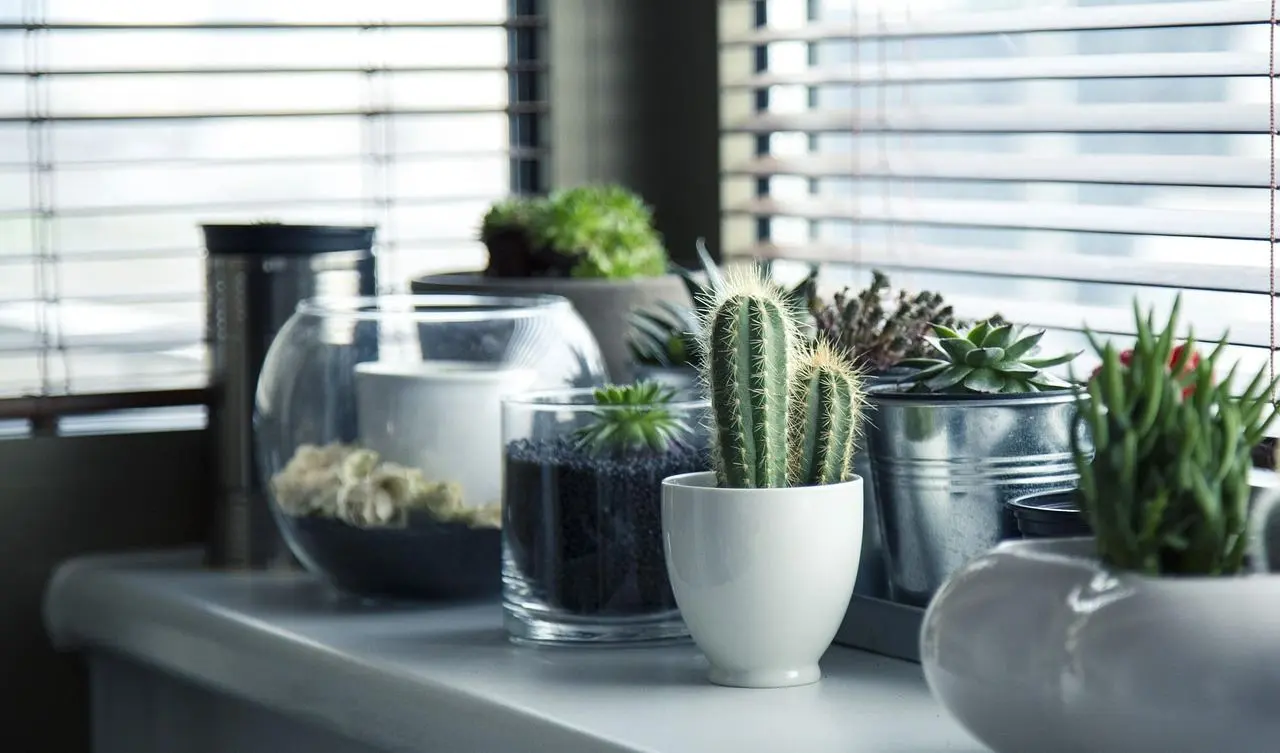
Worried you’ll kill another plant? The best indoor plants for beginners are pothos, snake plant, ZZ plant and spider plant, because they forgive low light and missed waterings.
For more ideas to make your space comfortable, browse our home living guides.
| Item | Value |
|---|---|
| Snake plant watering, warmer months | Every two weeks |
| Snake plant watering, colder months | Every three to four weeks |
| Pothos soil check | Finger poked two inches deep |
| Madagascar dragon tree watering | Every one to two weeks |
| ZZ plant mature height | About three feet tall |
These figures come from the Inquirer’s republished Washington Post piece and This Old House. They can change, so check the source before you rely on them.
What makes a houseplant hard to kill?
Iowa State University Extension picks easy plants with a simple test: they should tolerate a wide range of light, especially low light, and still cope with inconsistent watering. Its list also favors plants that put up with low humidity and still look good.
Here is what the extension service says about eight plants that pass that test:
- Pothos: one of the easiest and most forgiving houseplants you can grow.
- Snake plant: the only way to kill it is to overwater it.
- ZZ plant: its tolerance of low light, dry soil and low humidity makes it nearly indestructible.
- Spider plant: adaptable to various conditions, though it prefers indirect light, and it looks good in a hanging basket.
- Peperomia: tolerates neglect but rots if it is over-watered.
- Cast iron plant: endures heat, dust, low light and lack of water better than most other houseplants.
- Ponytail palm: the bulbous base stores water, so it tolerates dry conditions.
- Peace lily: grows in low light but flowers best in indirect sunlight.
Notice the pattern: nearly every entry is a plant that survives too little care better than too much.
Match the plant to the light you have
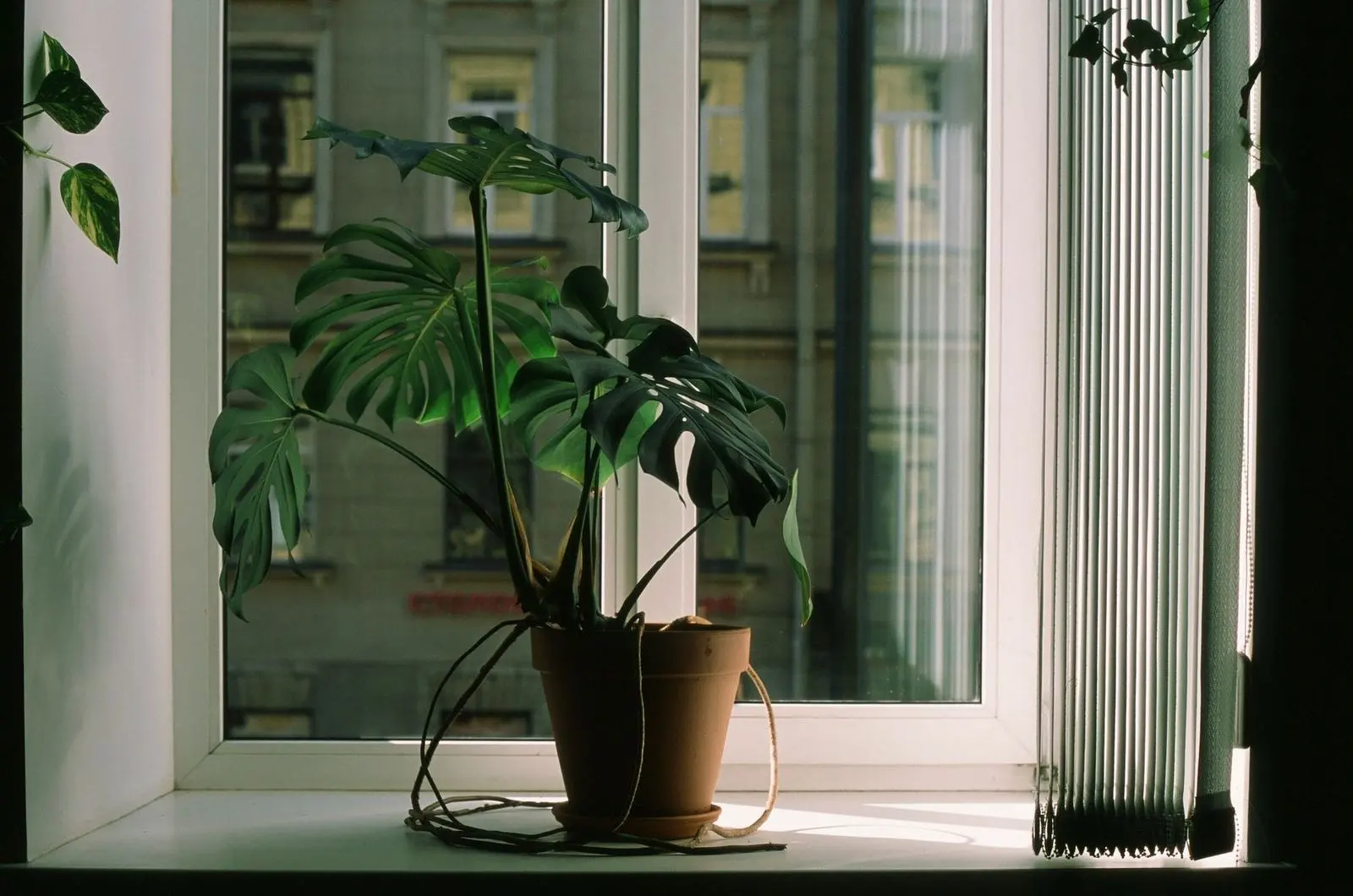
Before you buy, look at your windows. A This Old House landscaping expert recommends checking your home’s natural light before choosing a houseplant, since south-facing windows generally provide the most sunlight while north-facing rooms receive less. Pick a plant that suits that light, and it has the best chance of thriving, according to This Old House.
Light needs differ even among easy plants:
- Snake plants are versatile and tolerate conditions from low to bright light, the Inquirer reports.
- Pothos does well in bright, filtered indirect light, and harsh direct rays are best avoided.
- The Madagascar dragon tree should be kept away from windows but in moderate indirect light, per This Old House.
How often should you water?
Overwatering is the usual killer, so water by the soil rather than the calendar. Iowa State notes that peperomia will rot if over-watered, and that overwatering is the one way to finish off a snake plant (Iowa State University Extension).
Use these starting points, then adjust to your home:
- Snake plant: every two weeks in warmer months and every three to four weeks in colder ones.
- Pothos: poke a finger two inches into the soil, and skip watering if it is moist.
- Madagascar dragon tree: every one to two weeks, and even less in winter.
- ZZ plant: let the soil dry out completely before the next drink.
Those schedules come from the Inquirer and This Old House. The ZZ plant has bulbous roots that store water, which makes it drought-resistant, and it can grow about three feet tall, so leave it some room.
Common mistakes and warning signs
Most early plant deaths trace back to a few habits. Work through this list before you blame your thumb:
- Buying on looks alone. An interior plant designer quoted by the Inquirer says the first thing people do wrong is buy a plant for its appearance rather than for what it needs to thrive in their home.
- Skipping drainage. This Old House advises making sure a Chinese evergreen’s pot has adequate drainage holes.
- Watering on autopilot. Check the soil first, every time.
Reading symptoms takes a little care, because the same look can mean opposite things. On a pothos, This Old House says droopy leaves indicate underwatering and yellow leaves indicate overwatering. On a dragon tree, falling leaves point to overwatering, and a floppy snake plant has usually had too much water, according to the Inquirer.
Pets, damp rooms and placement
If you share your home with animals, check toxicity before you buy. This Old House lists pothos, Chinese evergreen and Madagascar dragon tree as toxic to cats and dogs if ingested (source).
Where you put a plant also shapes your room. If a stale smell lingers near your pots, our guide on how to get rid of musty smell in house will help you track down the cause.
Window spots matter for plants and for comfort, so it helps to read how to save on energy bills at home before you rearrange a room around them.
Frequently asked questions
Which plant is best for a dim room?
Show answer
Start with a ZZ plant, which Iowa State says does exceptionally well in low light. Pothos is a second option, since it grows in low to moderate light (Iowa State University Extension).
What if I forget to water for a while?
Show answer
Pothos and the Madagascar dragon tree are both described by This Old House as tolerant of occasional missed waterings. Give the soil a check when you remember, and water only if it feels dry.
Is a wilting peace lily dying?
Show answer
Not necessarily. Iowa State says its leaves wilt when it is dry but revive after watering, so a thirsty plant usually bounces back (source).
Can I get more plants without buying them?
Show answer
Yes. The same extension page says pothos roots quickly from stem cuttings, and spider plant babies can be removed and potted up as new plants (Iowa State University Extension).