Feeling buried in stuff? Here’s how to declutter your home: work one room at a time, sort everything into keep, donate and discard piles, and use short daily sessions so the job never feels overwhelming.
This guide sits within our home living section, where everyday advice for the spaces you use most is collected.
| Item | Value |
|---|---|
| Homeowners who feel “mess-stress” at least weekly (survey) | 44% |
| “Naturally tidy” people who have felt stress from an untidy home (survey) | 72% |
| Evening pick-up routine suggested by one organizer | 15-minute timer |
| Clothing rule for closets | Not worn in over a year |
| Pareto principle applied to decluttering | 80 percent of results from 20 percent of action |
| Basic sorting method | Three piles: keep, donate, dispose |
These figures come from Homes & Gardens and Bob Vila. Survey results and advice can change, so check the sources before you rely on them.
Why does clutter feel so heavy?
A cluttered home does more than look untidy. This Old House says a clutter-free space enhances appearance and also boosts productivity, reduces stress and improves overall well-being.
The team at Homes & Gardens adds that for many people, decluttering well has a positive impact on mental health. That is a useful reframe: you are not only removing things, you are making room to relax.
Professional organizer Ben Soreff, quoted by Livingetc, suggests dropping the question “do I need this?” and asking instead why you are keeping an item, how expensive it is and how hard it would be to get again. That turns a vague feeling into a decision you can actually make.
Set up before you start
A little preparation keeps the project from stalling halfway through. These habits come up again and again in the guides we checked:
- Write a list of rooms and rank them by how much you use them or how much trouble they cause, as organizer Kathryn Lord advises in Homes & Gardens.
- Focus on one room or zone at a time, so you can track your progress and avoid feeling swamped, a point made by This Old House.
- Take before and after photos, because things often look worse before they get better.
- Gather bags or boxes for each outcome before you open a single drawer.
Short sessions beat marathon weekends. Organizer Nicola Lewis, quoted by Homes & Gardens, suggests setting aside time each day that fits your schedule, whether it is five, 10, or 30 minutes. Another organizer in the same piece recommends a 15-minute timer each evening to build momentum.
Sort into clear piles
According to Bob Vila, a good general rule is to sort things into three piles: what you will keep, what you can donate and what is unusable and should be disposed of. Within the keep pile, you can add a separate pile for things that need repair, tailoring or mending before they can be used.
This Old House splits the outgoing items a little differently: gift them to friends or family, donate them, recycle them, and discard only as a last resort whatever cannot be reused or recycled.
If the whole job feels too large, borrow the Pareto principle. Bob Vila notes that 80 percent of results come from 20 percent of action, so start with the tasks that make the biggest visible difference.
Clean now or clean later?
The guides disagree here, and either approach can work. One recommends finishing each zone with dusting and floor cleaning to refresh it, while another says to wait until the entire room is decluttered before you clean it. Pick the order that keeps you moving.
Declutter your home room by room
Every room follows the same logic: pull items out, review them and give each one a destination. Ben Soreff describes the categories as toss, donate, keepsakes, elsewhere in the house, kept in the room, or given to a specific person or group, as quoted by Livingetc.
The order matters less than finishing. Organizer Kimberly Corey, quoted by Homes & Gardens, works from the most-used spaces back to the least-used so the easiest room is left for when your energy has run out.

Entryway
Organizer Stephanie Deininger tells Homes & Gardens she likes to start with the entryway, because the most-frequented area collects the most stuff. Work from the bottom up:
- Clear the floor of shoes, bags and fallen jackets.
- Move on to side tables and baskets.
- Finish with anything hanging on walls or stored in closets.
Kitchen
Begin with the countertops. This Old House suggests clearing non-food items such as junk mail, book bags and electronics, then moving on to cabinets and drawers.
- Throw out expired food from the fridge, freezer and pantry.
- Donate cookware and utensils you have not used in a year or two, as Bob Vila recommends.
- Let go of chipped, mismatched or tattered items, including worn dish towels.
- Leave the refrigerator for last, since it is often the messiest task.
Living room
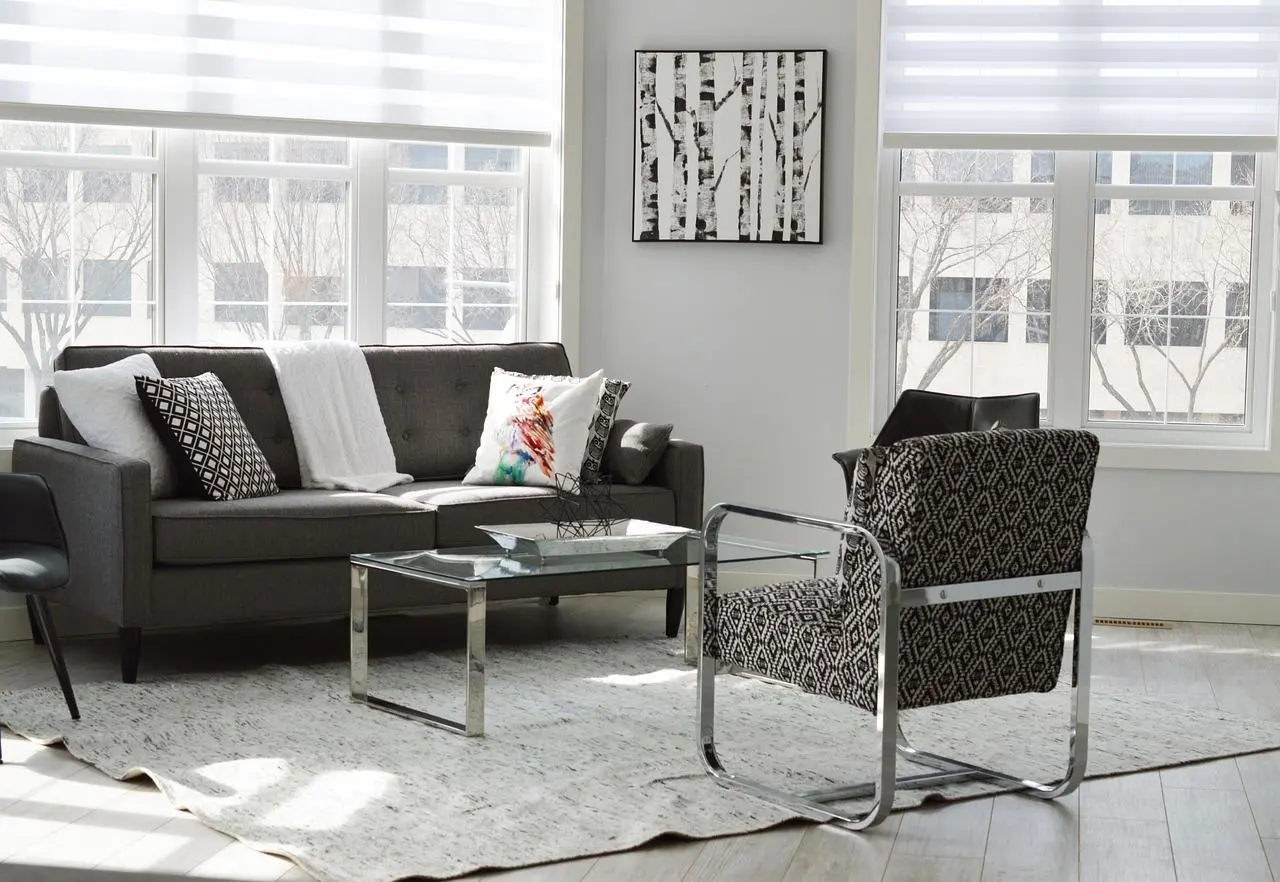
The living room is easy to treat as a dumping ground. This Old House advises removing items tied to non-social activities, such as homework, exercise or bill-paying, so the room serves its social purpose.
Livingetc’s room-by-room checklist also suggests letting go of discs you never play, cables for devices you no longer own and extra throw pillows. Keep only the cushions and blankets that add comfort and style.
Bedroom and closet
Bob Vila calls going through clothing one of the most intimidating tasks, and offers a simple test: get rid of anything you have not worn in over a year, plus anything that does not fit. Make separate piles to sell, donate and recycle or throw away.
Laundry is a common culprit for bedroom mess. Keep baskets easy to reach so dirty socks do not end up on the floor, and set aside a spot for clothes you will wear again.
Bathroom
Start with the medicine cabinet, disposing of expired medications and products, as This Old House advises. Then empty the vanity, group similar items together and keep only what you use regularly and is in good condition.
The same guide recommends storing cleaning supplies in a separate caddy for safety and convenience.
Home office
Clear everything off the desktop first, then decide what truly belongs there. Bob Vila says to empty desk drawers and filing cabinets, discard unneeded paperwork and take care to shred sensitive documents you are not keeping.
Consider scanning papers and uploading them to a hard drive or cloud storage if possible, which shrinks the filing cabinet along with the pile.
Keep clutter from coming back
A tidy house is a habit more than a one-off event. This Old House recommends daily habits such as tidying surfaces and returning things to their designated places, plus periodic review sessions to adjust your storage as your needs change.
Labeling shelves and containers also helps other household members put things back where they belong.
If you want to go further, our guide on how to save on energy bills at home covers the next step for a calmer household. When floor and shelf space is tight, you can also read about how to make a small space feel bigger after your clear-out.
Frequently asked questions
Which room should I tackle first?
Show answer
Begin where the mess is most visible and most frequently used, because early wins build the energy for harder rooms. Many organizers point to the entryway or kitchen as a strong opening move.
How do I decide what to keep when I feel attached to an item?
Show answer
Ask why you are holding on to it, what it would cost to replace and how hard replacing it would be. Items that pass that test can go in a keepsake box or a spot of their own, while the rest can be gifted, donated or recycled.
What if I only have a few spare minutes?
Show answer
Use them on one drawer, one shelf or one counter. Little and often works better than trying to clear everything in a single push, and a short routine at the end of the day keeps the gains in place.
Should I clean while I declutter?
Show answer
Both approaches have supporters. Cleaning each zone after you finish it gives a satisfying reset, while waiting until a whole room is clear means you only clean once.