Feeling stretched thin and unsure where to start? Here is how to manage stress: spot your signals and triggers, then build small daily habits like movement, sleep, and connection.
This guide is part of our personal growth collection, where small habits add up over time.
| Item | Value |
|---|---|
| Physical activity | At least 30 minutes on most days |
| Sleep | About 7 to 9 hours each night |
| Stress that lasts | More than a few weeks can affect your health |
| Time just for you | At least one thing a day |
| People in the United States reporting moderate to severe stress | A majority |
| Pillars of lifestyle medicine | Six, and stress management is one of them |
These figures come from MedlinePlus (reviewed October 2024) and an American Psychiatric Association post from October 2024. Guidance can change, so check the sources before you rely on the numbers.
Start by spotting your signals and stressors
Stress is not a flaw. MedlinePlus describes it as a normal and healthy reaction to change or a challenge, but warns that stress that goes on for more than a few weeks can affect your health (MedlinePlus).
The American Psychiatric Association notes that a majority of people in the United States report moderate to severe stress. It also says that some stress is unavoidable and not always negative, while too much can harm body and mind (APA).
The first step is recognizing it in your life, and everyone feels it differently. Common signs include:
- Feeling angry or irritable
- Losing sleep
- Headaches
- An upset stomach
Next, name your stressors, the situations that set these signs off. MedlinePlus lists family, school, work, relationships, money, and health problems as common ones.
A short note on your phone each time you feel tense can reveal patterns. Once you see where the pressure comes from, you can pick a response that fits.
Which stress habits do more harm than good?
When you feel stressed, it is easy to reach for something that gives quick relief. MedlinePlus warns that these unhealthy coping habits may feel helpful at first but can hurt you more than they help:
- Eating too much
- Smoking cigarettes
- Drinking alcohol or using illicit drugs
- Sleeping too much or not sleeping enough
If you spot yourself in that list, you are not alone, and the fix is to swap rather than to punish yourself. The habits below are the healthier replacements.
Daily habits that make stress easier to carry
Movement is one of the simplest tools. According to MedlinePlus, exercise makes your brain release chemicals that make you feel good, and it helps burn off built-up frustration. Choose something you enjoy, such as walking, cycling, swimming, or dancing, for at least 30 minutes on most days.
Sleep matters just as much, because rest helps you think more clearly and have more energy. The same source suggests aiming for about 7 to 9 hours each night.

Build a few more supports into your routine:
- Eat to fuel yourself. Skip high-sugar snacks and lean on vegetables, fruits, whole grains, dairy, and lean proteins.
- Stay connected. Time with family and friends can help you feel better, and confiding in a friend can help you work through a problem.
- Protect time for joy. Reading, music, a favorite movie, or dinner with a friend all count, so try to do at least one thing a day that is just for you.
Habits only help if they stick. If you struggle to keep a routine going, our guide on how to improve self discipline can help you stay consistent.
Relaxation and mindset techniques to try
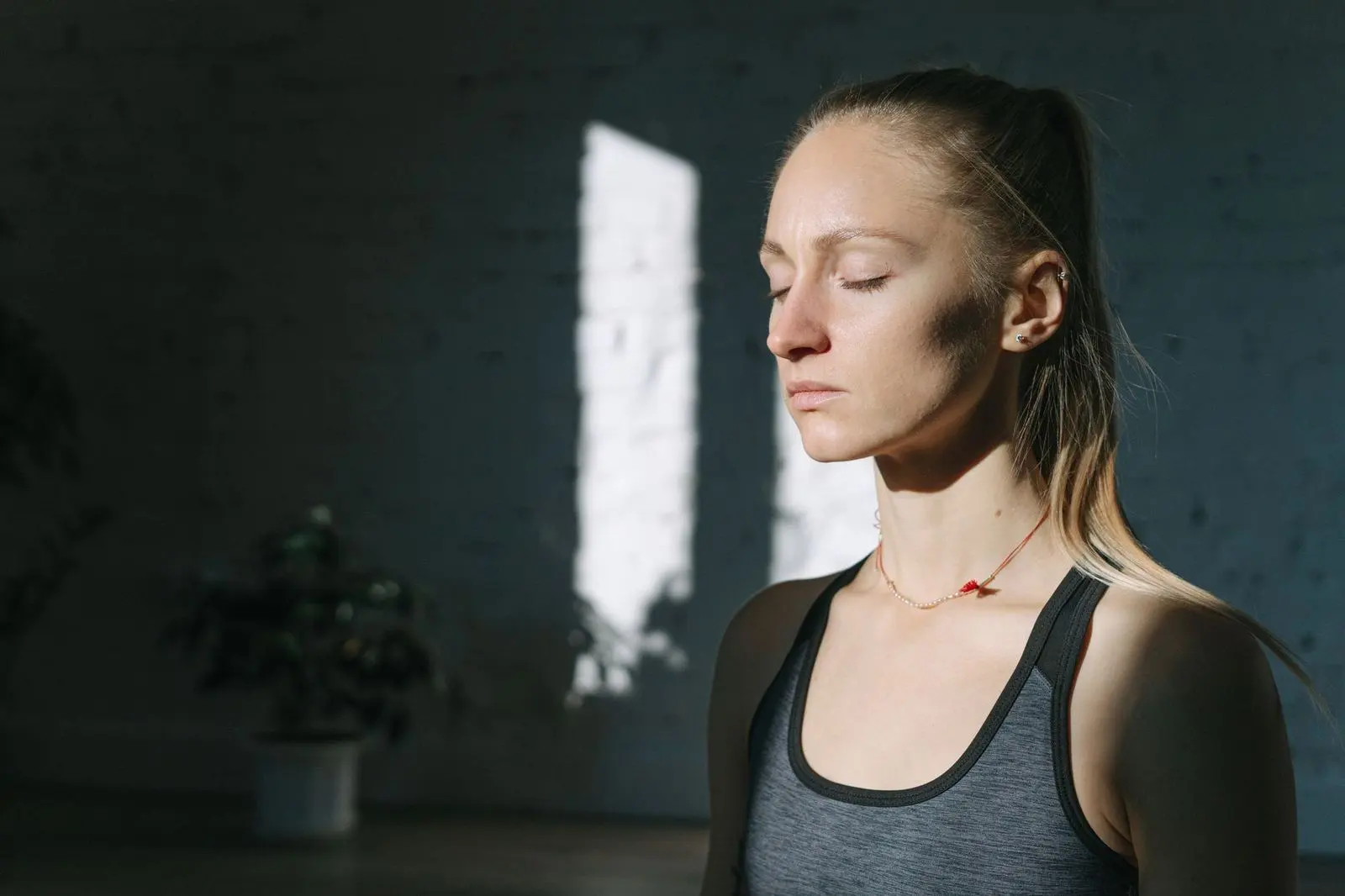
Relaxation is a skill you can practice. MedlinePlus says these techniques help slow your heart rate and lower your blood pressure, and the options range from deep breathing and meditation to yoga and tai chi.
Try a few and keep the ones that suit you. A class, a book, or an online video can all get you started.
Your outlook counts too. Replacing negative thoughts with more positive ones can feel silly at first, but with practice it may turn your perspective around.
- Accept what you can’t change. You cannot skip rush hour, but you can listen to a podcast or an audiobook on the way.
- Step away when you can. If family tension builds during the holidays, take a breather with a walk or a drive.
Learn to say no and ask for help
Sometimes the stress comes from taking on too much. MedlinePlus advises setting limits when your load at home or work is overwhelming, and asking others for help when you need it.
Saying no is easier when you trust your own judgment. If it feels uncomfortable, our guide on how to build confidence offers a place to begin.
When should you reach out for professional support?
Self-care has limits. If you can’t manage stress on your own, MedlinePlus suggests talking with your health care provider.
A therapist or counselor can help you find other ways to deal with it. Depending on the cause, a support group may also help.
This guide is general information and not medical advice. For a medical emergency or a diagnosis, contact a licensed professional.
Frequently asked questions
Is all stress bad for you?
Show answer
No. Short bursts of pressure are a normal response to a challenge, and the American Psychiatric Association says some stress is unavoidable and not always negative. The concern is stress that lingers or grows too heavy to handle.
How long is too long to feel stressed?
Show answer
MedlinePlus points to stress lasting more than a few weeks as the point where health can start to suffer. If that sounds like you, treat it as a cue to change your routine or get support.
Can a drink or a cigarette help me unwind?
Show answer
They may seem to help in the moment, but MedlinePlus lists smoking, alcohol, and illicit drugs among the habits that tend to do more damage than good. A walk, a call with a friend, or a breathing exercise is a safer swap.
What if I only have a few minutes?
Show answer
Start small. Pick one relaxation method such as deep breathing, or do something that is just for you, like listening to a favorite song. Short, regular breaks can still lift your mood.